From Traditional Livestock Farming to Smart Industrial Management: The Future of the Livestock Industry Explored at a Two-Day Summit
A two-day gathering of livestock industry managers, experts, and influential professionals focused on data-driven management, smart technologies, modern decision-making tools, and the role of artificial intelligence in livestock operations.
On November 27 and 28, 2026, a two-day specialized summit for livestock industry leaders and experts was held under the theme “Smart Livestock Farming,” hosted by Modiran Tahlilgar Sepahan Company. The event brought together managers, industry veterans, specialists, business professionals, and influential figures from across the livestock sector, providing a valuable opportunity to explore the future of livestock farming in Iran and identify pathways for transformation in the industry.
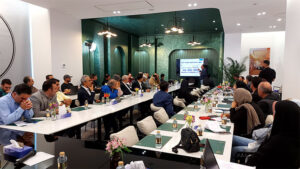
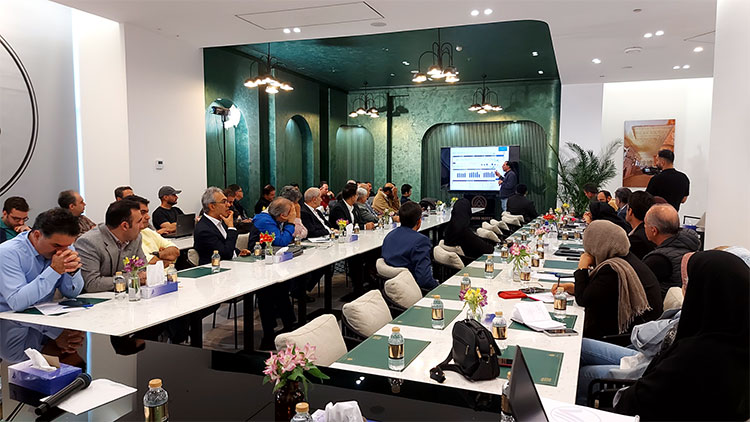
An overview of managers and livestock industry professionals attending the summit
The gathering included representatives from major livestock farming organizations, dairy and milk production companies, livestock associations, research centers, technology companies, and business professionals. The primary objective was not merely to introduce new technologies, but to promote a new perspective on industrial livestock management, the importance of information and data, and the need to use smart tools for more accurate decision-making and improved productivity.
Livestock Farming Today: From Traditional Management to a Data-Driven Industry
In recent years, the livestock industry has faced significant changes in production costs, resource management, nutrition, milk production, animal health, and economic competitiveness. Under these circumstances, relying solely on individual experience, scattered records, and traditional management methods is no longer sufficient to address the growing complexity of livestock operations.
Modern industrial livestock farming is not simply about increasing herd size or investing in physical equipment. It involves a network of interconnected processes that must be accurately measured, recorded, monitored, and analyzed.
Industrial Livestock Farming: The Need for a New Management Perspective
One of the key topics discussed at the summit was the distinction between traditional, industrial, and smart livestock farming, as well as the need for a fundamental shift in the management of livestock operations.
As large-scale livestock farms expand and production processes become increasingly complex, managing these operations can no longer rely solely on individual experience and routine supervision. Larger herds, diverse activities, more employees, increasing volumes of information, and interconnected operational departments all require more structured and integrated management systems.
In industrial livestock farming, herd management, milk production, reproduction, nutrition, animal health, workforce management, equipment, and production costs must be evaluated in relation to one another. Under such conditions, making decisions without access to accurate information and continuous performance evaluation can lead to increased costs and reduced productivity.
During the summit, smart livestock farming was highlighted as a stage beyond industrialization—a stage in which technology, data, connected equipment, and analytical tools are integrated to support better management.
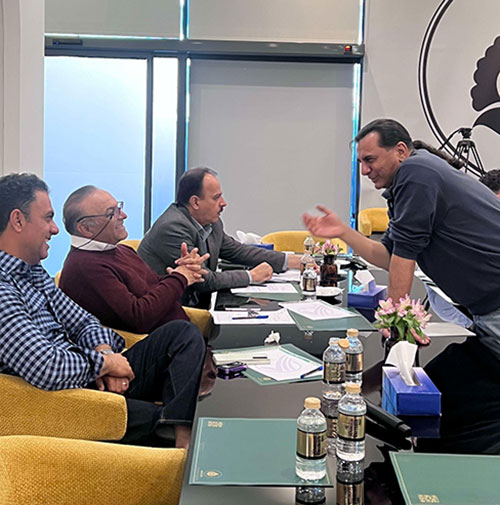
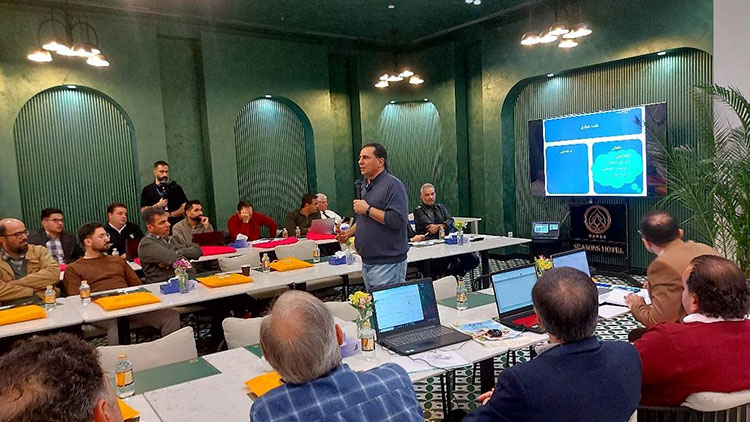
Discussions and exchange of perspectives among participants at the specialized summit
The main emphasis of this session was that digital transformation is not simply about adopting new devices and equipment. It requires establishing meaningful connections between information, operational processes, and management decisions.
Moving toward smart livestock farming therefore means connecting information across all areas of an operation and transforming it into practical knowledge for management. This knowledge can help managers understand current conditions, identify historical trends, and make more informed decisions about the future.
One of the important specialized topics discussed at the summit was the vast amount of data generated across the livestock industry and its role in management and decision-making.
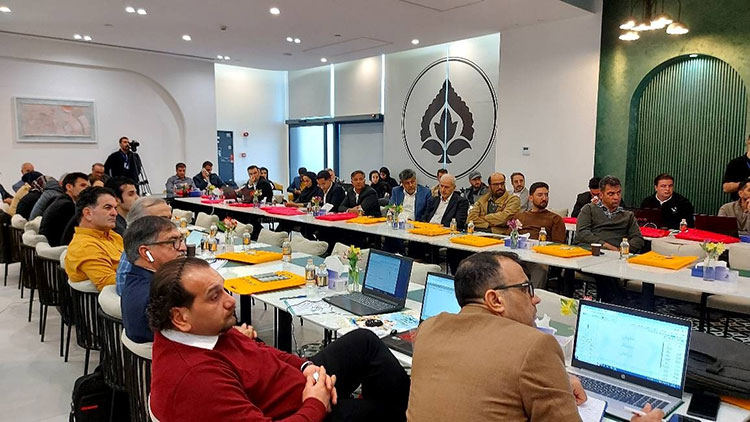
An overview of the collaborative and professional environment of the summit
Livestock farming is an industry in which substantial amounts of information are generated across different operational levels. This data begins at the individual animal level and extends to the entire herd, individual production units, multi-farm operations, and even the supply chain and processing of animal products.
Data: The Hidden and Valuable Asset of Smart Livestock Farming
One of the major themes of the summit was the scope of data generated throughout the livestock industry and its role in developing intelligent management systems.
In modern livestock farming, information is no longer limited to animal identification or production figures. Each department of a livestock operation generates considerable amounts of data. When properly recorded and interconnected, this information can provide a comprehensive picture of the operation’s overall performance.
From Statistical Reports to Advanced Analytics: Transforming Decision-Making Tools
Another part of the summit focused on modern data analysis tools and their role in supporting managerial decision-making.
In many livestock operations, information is recorded and stored in various reports. However, the main challenge is enabling managers to identify critical issues, unusual trends, and opportunities for improvement from large volumes of data.
In this context, the distinction between conventional reporting and data analytics was discussed.
Analytical reports allow managers to evaluate operational performance across different periods, compare key indicators, identify changes, and assess the performance of various departments. At a more advanced level, analytical charts can illustrate relationships between multiple variables and help uncover hidden patterns within the data.
One example highlighted during the discussions was the use of scatter plots.
Scatter plots display two variables simultaneously, making it possible to examine relationships between different indicators. For example, managers can analyze the relationship between milk production and feed costs, animal weight and production performance, or other related operational indicators.
Live, continuously updated charts can also enable closer monitoring of changes over shorter periods.
The value of these tools lies in helping managers move beyond isolated numbers and gain an analytical understanding of their operations, enabling them to make decisions based on a clearer picture of the overall situation.
Management Dashboards: Meeting the Needs of Different Departments in Industrial Livestock Operations
Management dashboards and their role in monitoring the performance of livestock operations were another important topic discussed during the summit.
As livestock operations grow in scale, managers need quick access to key performance indicators to assess the overall status of their operations. Management dashboards consolidate information from different departments, providing an organized overview of the operation while allowing users to explore detailed information when needed.
In an industrial livestock operation, the information needs of a CEO differ from those of a reproduction manager, nutrition manager, animal health supervisor, or financial manager. Therefore, designing specialized dashboards tailored to the responsibilities of each department is particularly important.
The true value of this information becomes evident when data from different departments are interconnected. For example, reviewing an individual animal’s milk production alone provides limited insight. However, when this data is analyzed alongside calving history, health status, feed consumption, treatment costs, and environmental conditions, managers can gain a more accurate understanding of the animal’s performance and economic value.
Artificial Intelligence: New Opportunities for Analytics and Forecasting in Livestock Farming
Another important and forward-looking topic at the summit was the potential of artificial intelligence and its role in transforming management and operational processes across the livestock industry.
The introduction of AI into livestock farming creates new opportunities to analyze large volumes of information and identify patterns that may be difficult to detect using conventional methods.
In an intelligent management system, historical and real-time data can serve as the foundation for advanced analytics. These analyses can help managers understand current conditions, anticipate certain trends, and identify areas requiring further attention.
Modiran 10: Moving Beyond Data Recording to Intelligent Decision-Making
Another session explored the role of specialized livestock management software in integrating information and transforming raw data into practical decision-making tools.
Specialized presentations on smart livestock management
Modiran 10 is designed to provide an integrated platform for recording, storing, retrieving, reviewing, and analyzing information across different departments of livestock operations. The value of such a platform becomes even greater when managers can access a unified overview of their operation instead of relying on multiple notebooks, spreadsheets, scattered files, and separate reports.
From this perspective, software should not simply serve as a data-entry tool. It should become a platform capable of answering important management questions, such as:
- Which segments of the herd demonstrate better production performance?
- How has milk production changed over recent days and months?
- What proportion of production costs is attributable to feed?
- Which animals are performing poorly from an economic perspective?
- What is the current reproductive performance of the herd?
- Which indicators require immediate attention and follow-up?
- What factors may contribute to declining production or increasing costs?
Answering these questions requires access to accurate information, reliable reports, and appropriate analytical tools.
Artificial Intelligence in Livestock Farming: From Historical Analysis to Future Predictions
One of the key forward-looking topics at the summit was the application of artificial intelligence in livestock management and its potential to advance specialized livestock management software.
Artificial intelligence can analyze large volumes of recorded information and identify patterns that may be difficult to detect through manual examination of fragmented data.
Within an intelligent livestock management system, information related to production, reproduction, animal health, nutrition, environmental conditions, and economic performance can serve as the foundation for advanced analytics.
Important applications of AI in livestock farming include:
Identifying unusual patterns: Analyzing animal records and detecting unusual changes in production, feed consumption, performance, or management indicators to alert relevant personnel.
Forecasting production trends: Evaluating historical production records and trends to help estimate production conditions in future periods.
Supporting reproductive management decisions: Analyzing insemination, calving, and reproductive performance records to identify patterns and help prioritize animals requiring further attention.
Analyzing the economic performance of animals: Combining production data, feed consumption, treatment records, and maintenance costs to evaluate individual animal performance and support decisions regarding continued management, retention, or culling.
Identifying factors affecting performance: Examining relationships between different data points to better understand factors that may contribute to declining production, rising costs, or reduced productivity.
Intelligent management assistant: Providing the ability to query recorded information in plain language. For example, managers could ask about production performance, costs, animals meeting specific conditions, or changes in a particular indicator and receive analytical responses.
In this approach, artificial intelligence does not replace the knowledge and experience of farmers or specialists. Instead, it supports them by processing information and providing practical insights that can lead to more informed decisions.
A key point is that the quality of AI-generated insights depends on the accuracy, completeness, consistency, and integration of the underlying data. Therefore, a unified software platform and systematic data recording are essential prerequisites for effective use of this technology.
Why the Future of Livestock Farming Depends on Data-Driven Decision-Making
The topics discussed at the summit demonstrated that transforming the livestock industry cannot be achieved solely by purchasing new equipment or adopting the latest technologies. Real transformation occurs when information generated across different departments is interconnected and made accessible to managers and specialists.
For example, when managers can evaluate the relationships between milk production, feed consumption, treatment records, reproductive performance, and maintenance costs, herd management decisions can move from general assumptions to documented, evidence-based assessments.
This shift in management perspective can play an important role in reducing unnecessary costs, improving productivity, optimizing resource management, enhancing production performance, identifying weaknesses, and increasing the profitability of livestock operations.
Diverse Industry Participants: An Opportunity for Synergy and Collaboration
The information recorded at the summit indicates participation from organizations across different regions of the country, reflecting the considerable diversity of companies and organizations active in the livestock industry.
Among the participants, Isfahan Province accounted for 40.6% and Tehran for 15.9% of the recorded geographical data, representing the largest shares. Meanwhile, 43.5% of the information was associated with other regions of the country, highlighting the broad geographical reach of participants and industry professionals attending the event.
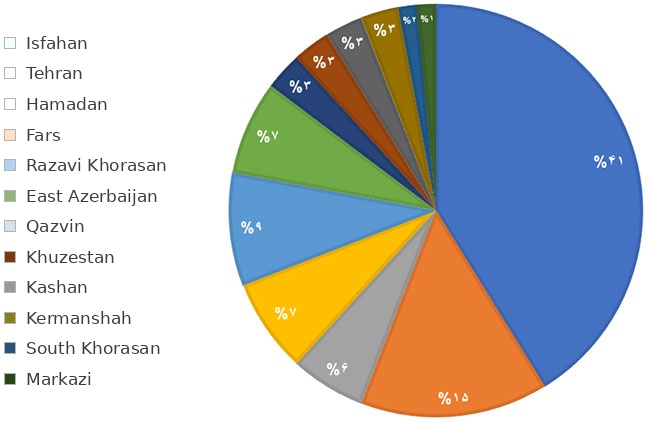
This geographical distribution indicates that smart livestock farming is not limited to a specific region and is attracting attention across different segments of the country’s livestock industry.
The diversity of participating organizations—from livestock farms and animal production companies to associations, research centers, specialized organizations, and technology companies—demonstrates that the future of the industry depends on collaboration and communication across different parts of the livestock value chain.
The range of professional backgrounds represented, including managers, experts, financial professionals, consultants, and technical specialists, also created valuable opportunities to exchange experiences and discuss real-world industry challenges.
The summit provided an opportunity to explore industrial management, technology, data analytics, smart equipment, and productivity improvement solutions from different perspectives while encouraging professional networking and future collaboration.
Modiran Tahlilgar Sepahan: Supporting the Digital Transformation of the Livestock Industry
By organizing this specialized event, Modiran Tahlilgar Sepahan Company emphasized the importance of developing management knowledge, adopting modern technologies, and moving toward integrated information systems across the livestock industry.
The company’s approach to smart livestock farming is based on the principle that effective management of livestock operations requires access to accurate information, reliable reports, analytical tools, and continuous performance evaluation.
In this context, Modiran 10 serves as a specialized platform for livestock information management and supporting data-driven decision-making. It can strengthen connections between information across different departments and help pave the way toward integrated and intelligent management.
Events like this also highlight the importance of direct dialogue among producers, managers, specialists, and technology professionals. Developing practical solutions requires a clear understanding of the industry’s real needs and incorporating those needs into the design and improvement of technological tools.
The Future of Livestock Farming Belongs to Managers Who Make Smarter Decisions
The two-day summit of livestock industry experts and managers was more than a professional gathering. It provided an opportunity to reconsider management practices, explore technological capabilities, and outline a future direction for the industry.
The message of the event was clear: the future of livestock farming will be an industry built on information, analytics, connected smart equipment, and precise decision-making. In this environment, organizations that use their data as a valuable asset and effectively combine livestock farming experience, specialized knowledge, and technology will be better positioned to succeed.
We believe transformation in livestock farming begins when experience, knowledge, data, and technology come together.
Modiran Tahlilgar Sepahan Company
Modiran 10 — A Step Toward the Smart Future of the Livestock Industry
Statistical Overview of Participating Organizations and Geographical Distribution
The following charts illustrate the composition of participating organizations and the geographical distribution of summit-related records as percentages.
The text and tables in this document are editable, while the chart images transferred from the original file remain in image format.
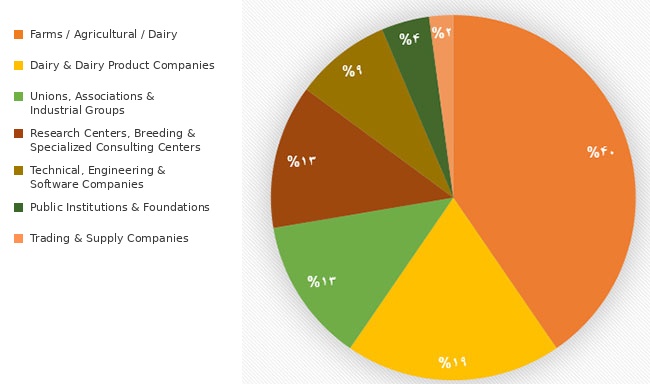
Percentage chart illustrating the composition of participating organizations and their fields of activity.