Smart Livestock Farming Through Education: What Participants Said About the August Course
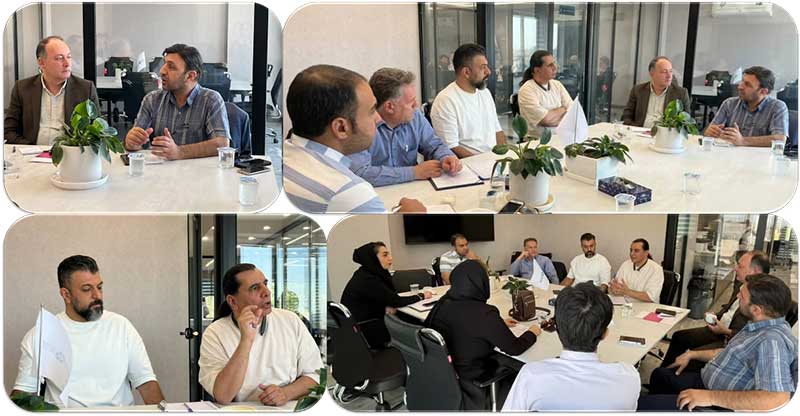
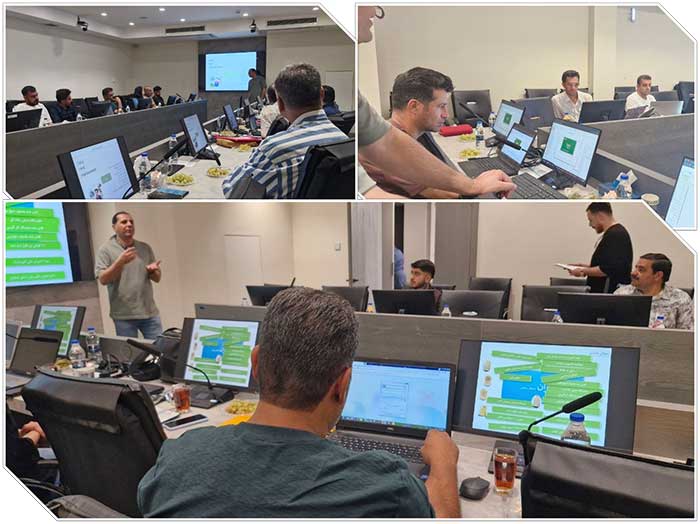
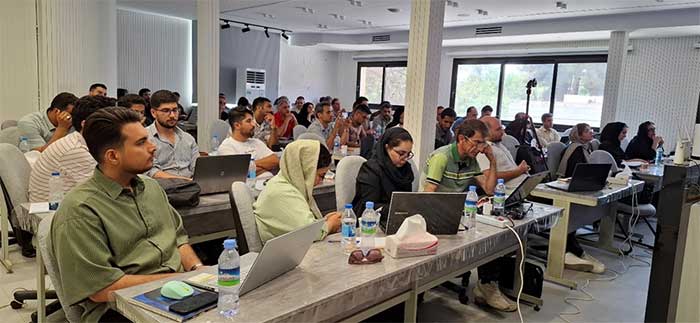
The “Smart Livestock Farming” training course was held on August 18–۱۹, ۲۰۲۶. The event brought together education and experience sharing, along with an introduction to innovative approaches to livestock farm management.
Today, accurate decision-making in the livestock industry depends more than ever on access to information, an understanding of processes, and the proper use of management tools. For this reason, training is no longer simply about transferring information over a few hours. It is an opportunity for industry professionals to examine their everyday challenges from a more precise perspective and explore practical solutions.
Smart Livestock Farming Through Education
The August course was organized with this approach in mind. Participants followed the course content in an educational and interactive environment and shared their views and experiences with the organizers.
When Training Quality Becomes Measurable
One of the important aspects of the course was its evaluation from the participants’ perspective. After the program, participants assessed different aspects of the course through a survey, including the educational content, presentation methods, and executive services.
The results showed that the educational materials received the highest score, at 85%, among the evaluated indicators.
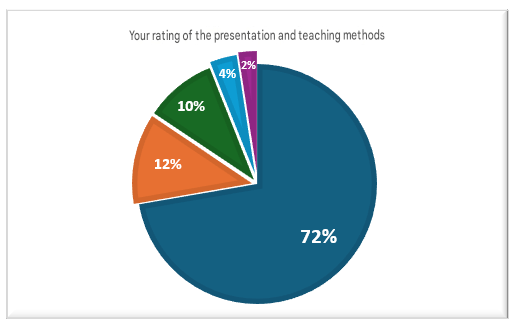
This was followed by gifts and catering, with a score of 81.5%, and the course schedule, with a score of 79.3%. The presentation and teaching methods received 72%, while the information and announcement process was evaluated at 83.1%.
These results indicate that the educational aspect of the course, particularly the content and the way it was delivered, held a special place in the participants’ evaluations.
An Important Finding: Educational Content Came First
When the results are examined from the perspective of the learning experience, the three indicators of “educational materials,” “course schedule,” and “presentation and teaching methods” were among the highest-rated aspects.
This highlights an important point for training programs in the livestock sector: participants consider a course valuable when its content is practical, understandable, and easy to follow.
Accommodation Experience: Another Part of the Evaluation
In addition to the educational content, the course’s supporting services were also evaluated.
Hotel cleanliness received a score of 82%, the hotel’s location received 89%, and the staff’s behavior received 85%.
These results are also important to the organizers because the experience of a training course is not limited to time spent in the classroom. The quality of supporting services also affects the participant’s overall experience.
Participants Recommended Sabat Hotel
Another survey question focused on the accommodation provided during the course.
Out of 45 recorded responses, 41 participants stated that they would recommend Sabat Hotel to others, while 4 participants selected “No.”

Accordingly, approximately ۸۶.۷% of respondents recommended the hotel to others.
The Survey Is More Than Just Numbers
In addition to the scores, the open-ended survey responses provided valuable information for the organizers.
Several participants expressed satisfaction with the course, describing it as useful and productive and praising the quality of teaching and the way the program was organized.
At the same time, some suggestions were made for future courses. These included paying greater attention to the timing of the course in view of seasonal conditions, improving the cooling system at the training venue, organizing more educational programs, and increasing awareness of the importance of expert participation in such events.
The issuance of certificates of participation was also among the suggestions raised by participants.
From One Training Course to an Ongoing Learning Path
The feedback received from the August course provides a clearer picture of participants’ needs and expectations. This information can be used in planning future educational programs.
For Modiran Tahlilgar Sepahan Company, organizing training courses is part of a broader effort to develop knowledge and promote the use of smart solutions in the livestock industry. This path becomes more complete with every course through new experiences and valuable feedback.
The August “Smart Livestock Farming” course was held with the same perspective: providing education, listening to the experiences of industry professionals, and using those experiences to improve future programs.
Modiran Tahlilgar Sepahan Company sincerely thanks all participants for their presence and cooperation and will use their comments and suggestions to improve its future educational programs.